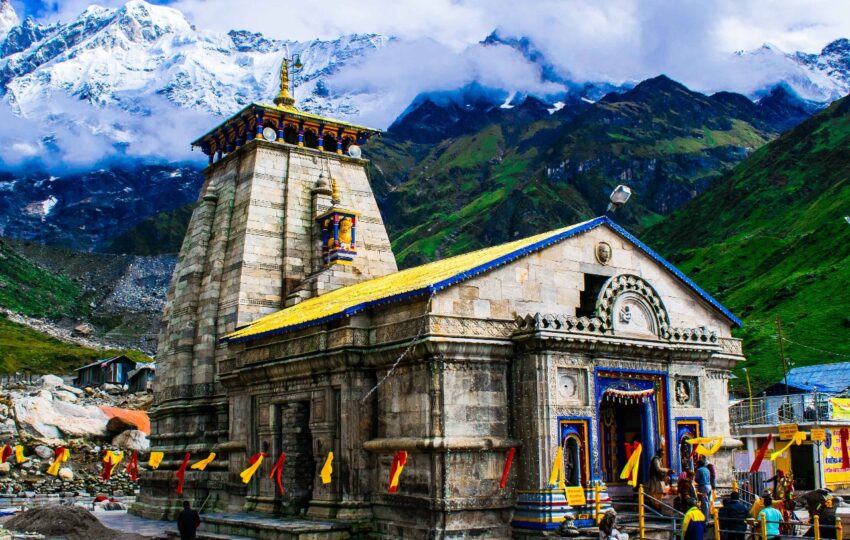
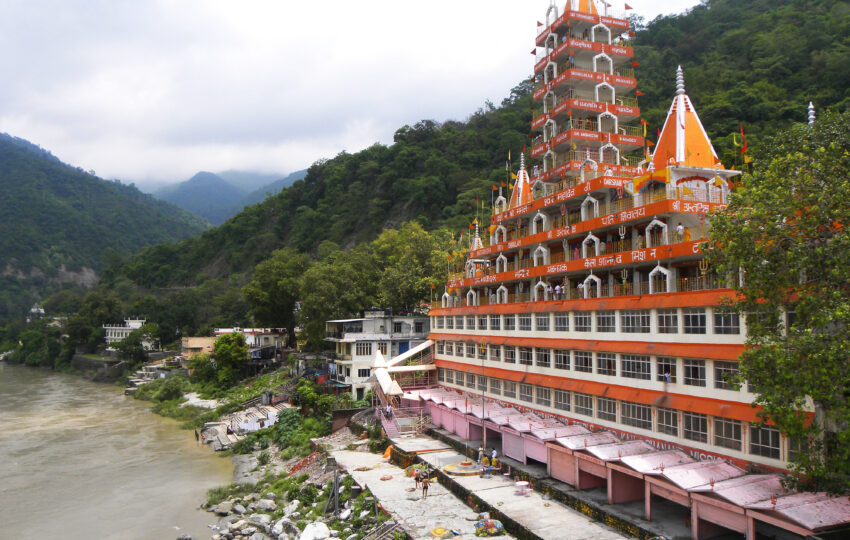

This 12 days’ trip to Uttarakhand’s Garhwal region takes you close to the abode of Hindu Gods. Lying in the mountainous region of Himalayas, the trip which we usually refer as Chardham of Uttarakhand or Chhota Chardham, consists of four sacred places namely Yamunotri (the origin of river Yamuna); Gangotri (the origin point of most worshipped river on the planet the Ganges or the Ganga); Kedarnath (dedicated to Lord Shiva) and Badrinath (dedicated to Lord Vishnu, the preserver). For those having confusion about Chardham, the Original CharDham (or the ancient chardham) was set up by Adi Shankaracharya at Rameshwaram, Puri, Dwarka and Babdrinath. Badrinath is common in both the sacred yatras. For centuries, saints and pilgrims, in their search of the meaning of life and the divine, have walked these holy shrines.
The entry point to Chhota Chardham is Haridwar (Gate to the God). Starting from Haridwar, we head out to Yamunotri, followed by Gangotri and Kedarnath and our Yatra is completed with the visit of Badrinath Shrine, the abode of Lord Vishnu. It is believed that by visiting these shrines in the order as mentioned above called Parikrama (West to East in clockwise circumambulation), all our sins get washed and we get Moksha (salvation) from the cycle of birth and re-birth.
The CharDham Yatra in Uttarakhand remains open for pilgrims only for a brief period of about six months. Yamunotri and Gangotri temples open on the day of Akshaya Tritiya, which usually falls in late April or sometimes in early May, the other two temples open after a few days and typically the temples close on Bhai Dooj, usually 2 days after Deewali.
The Holy Himalayas up in the misty heights of the majestic Garhwal, awaits a rejuvenating spiritual experience for the devout.


